Department
Website DevelopmentService
- (014)E-Commerce Websites


We blend strategy, creativity, and technology to help brands grow, connect, and stand out in an ever-evolving digital world.




Over 275,000 historical railway photographs. One rather complicated digital challenge.
Department
Website DevelopmentService
Department
SEOService
Department
BrandingService
Department
Content MarketingService
An Archive This Big Needed More Than an Online Store.
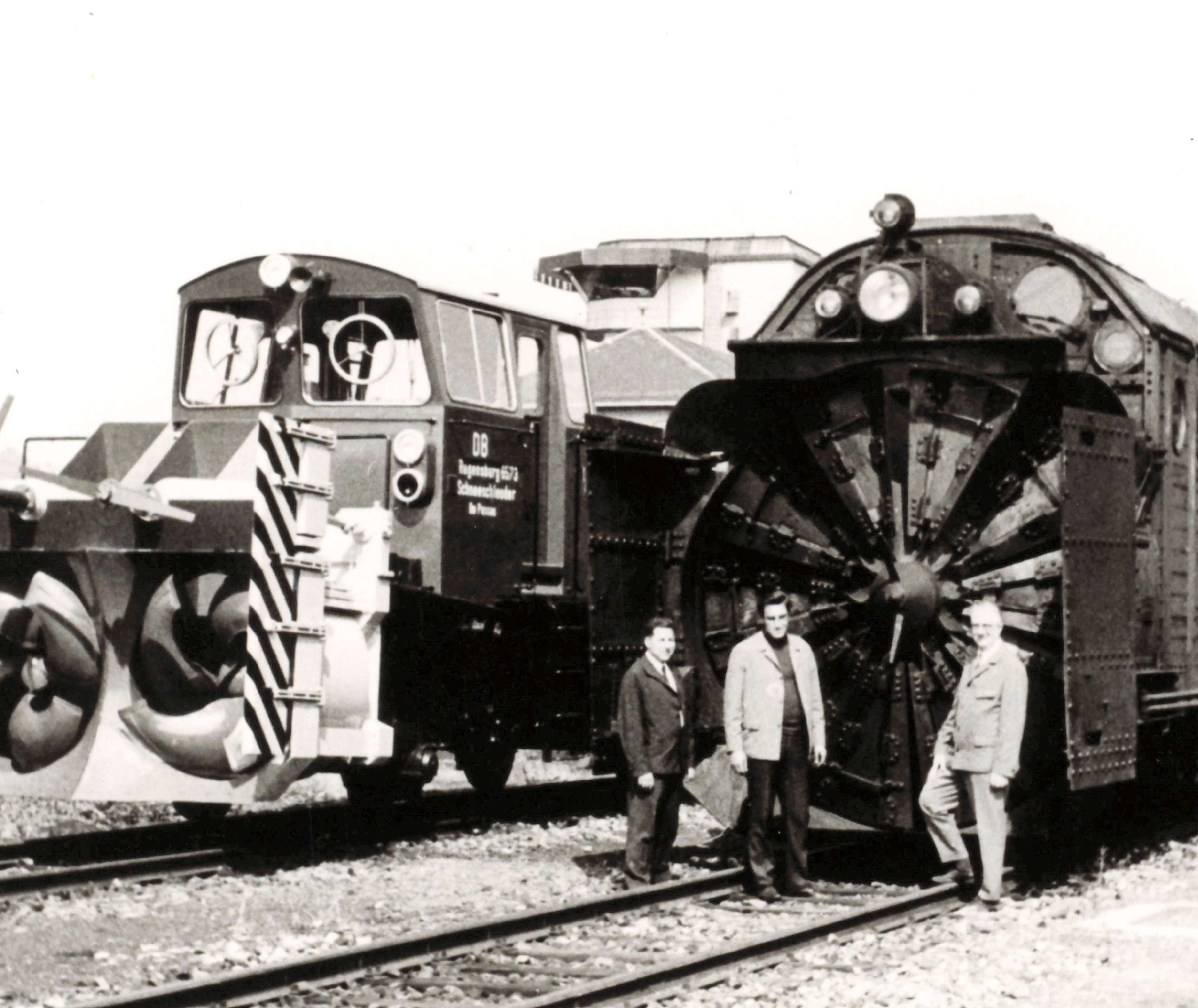
Aurora Eisenbahn Bildarchiv is a Berlin-based digital archive preserving over 275,000 historical railway photographs, documenting decades of railway history across Germany, Austria, and beyond.
The collection was impressive. Making it easy to explore, search, and purchase worldwide was another challenge.
We needed to build more than an e-commerce website: a platform capable of supporting a vast, specialized archive, a recognizable identity, and the foundations for online visibility, all while preserving the historical details that made the collection valuable.
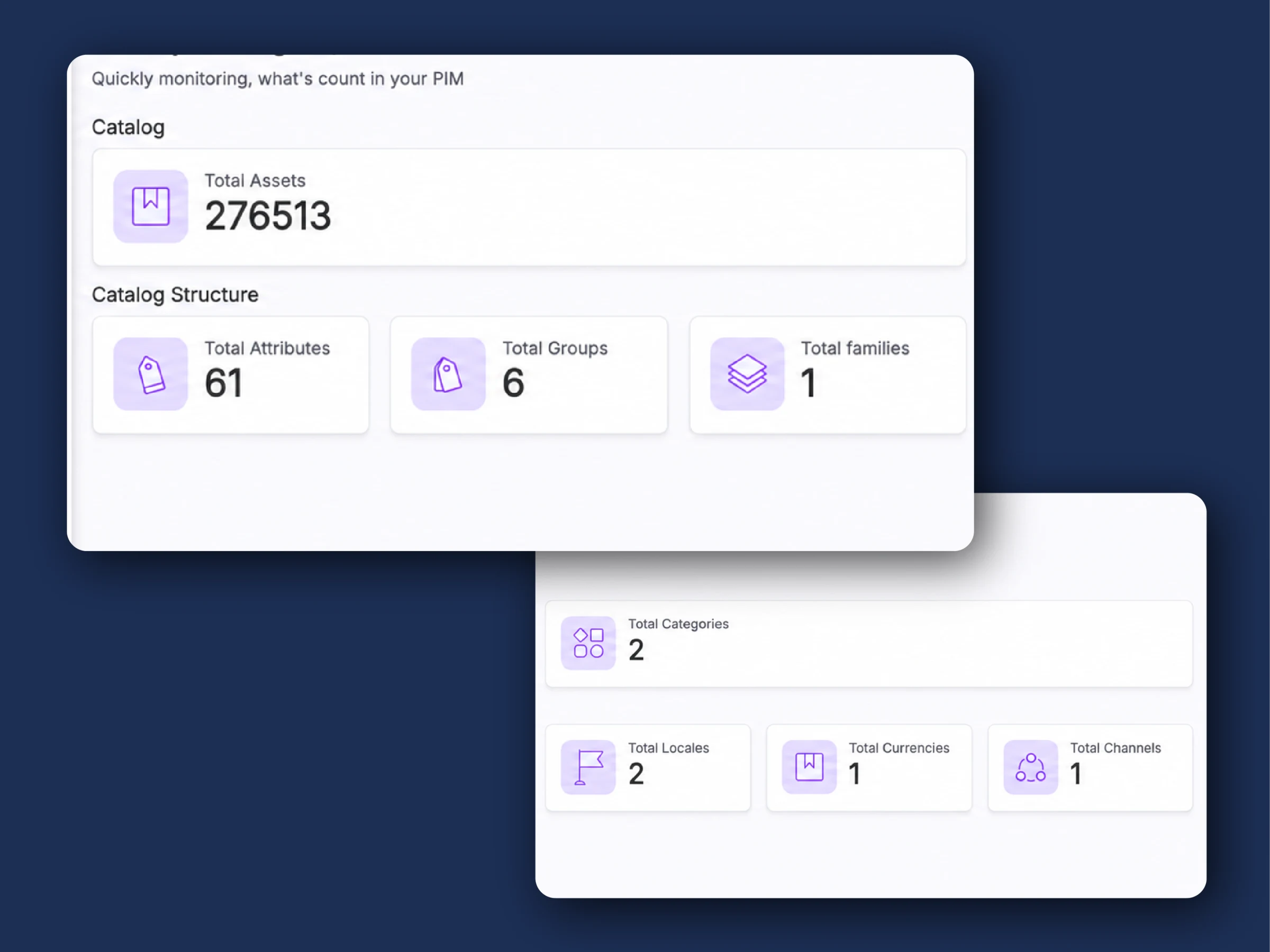
Historical photographs supported
Search dimensions
Languages supported
Department
Service
Aurora's collection wasn't a conventional product catalog. It covered everything from steam locomotives and railway stations to historical events, rolling stock, and rare photographs dating back generations.
We built its e-commerce platform using WordPress and WooCommerce, supported by a custom Digital Asset Management (DAM) workflow. The challenge was making an enormous collection easy to organize, navigate, and purchase from.
A collection this large is only useful if people can find what they're looking for.
Rather than treating every photograph as another product listing, we built a metadata-driven archive structure that organized images through historical and technical details.
Visitors could explore the collection through four key filters:
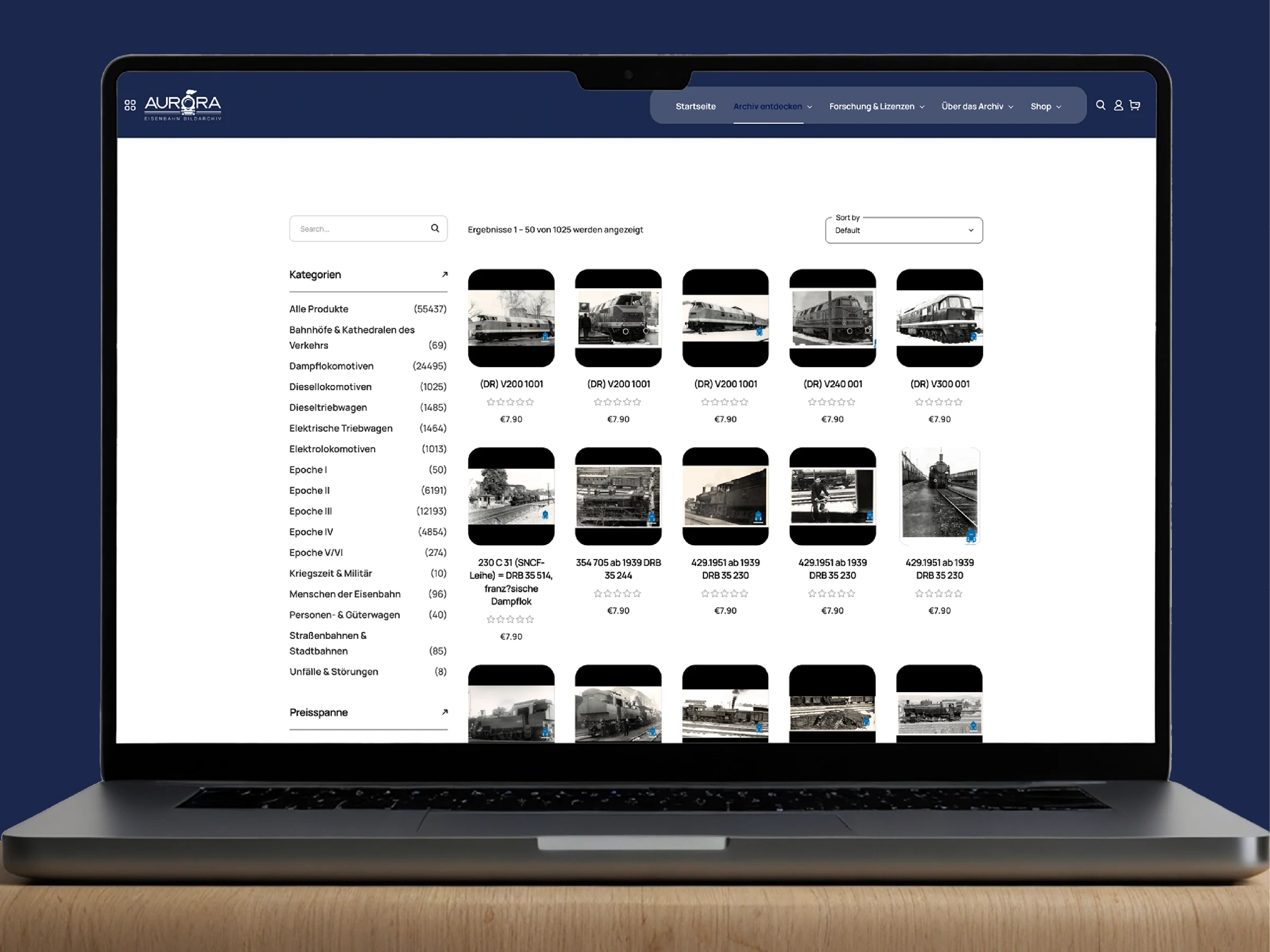
This allowed a railway enthusiast searching for a particular locomotive and a researcher exploring a historical event to navigate the same collection in entirely different ways.
The goal wasn't to simplify the history. It was to make navigating that history simpler, without losing the details that matter.
Finding the right photograph was one challenge. Making it available to purchase was another.
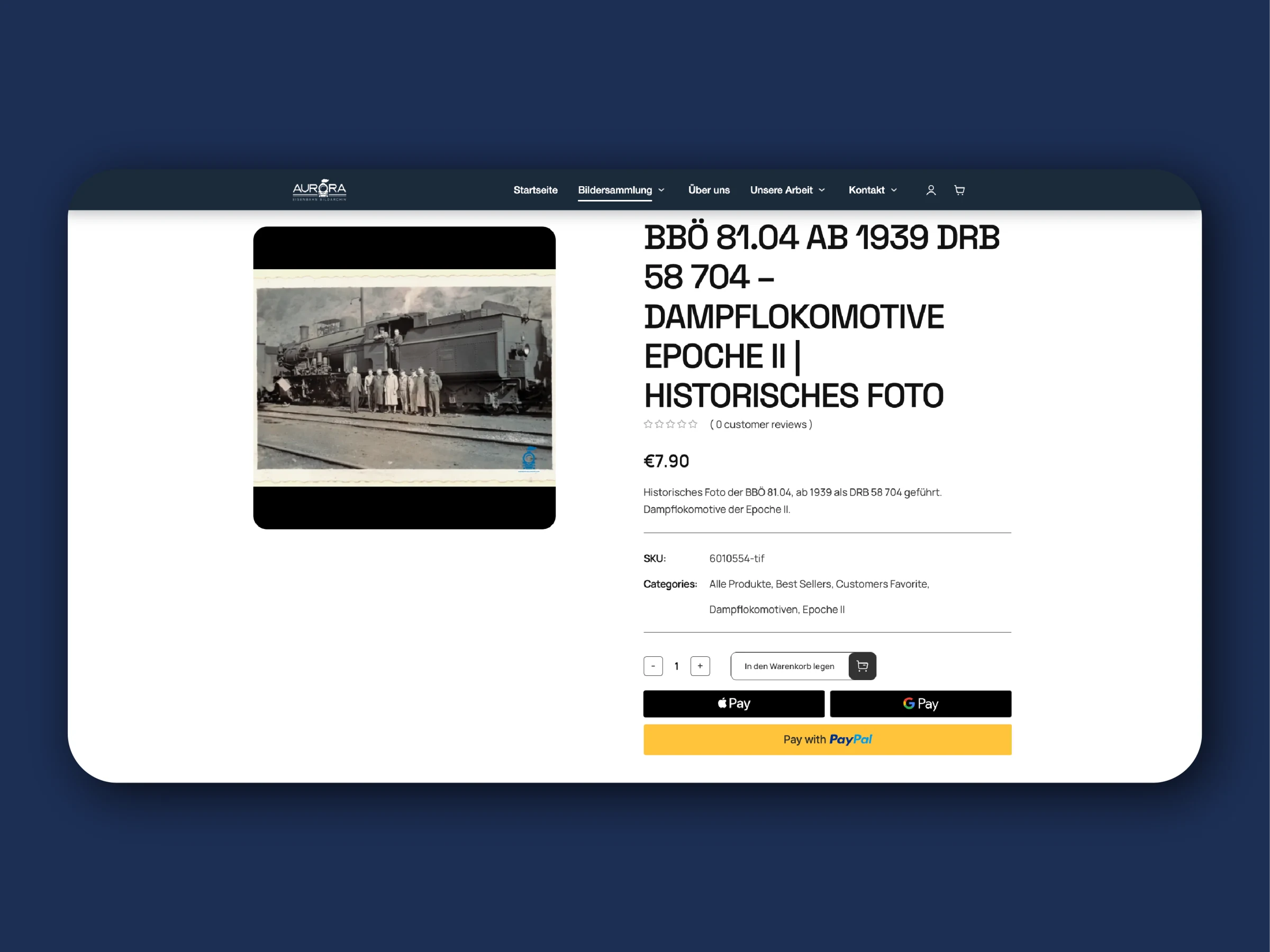
We integrated WooCommerce to support digital downloads and image licensing, with secure delivery and watermarking to help protect Aurora's photographic assets.
For collectors, publishers, researchers, and institutions, this connected photograph discovery and digital purchasing in one place.
Railway history doesn't stop at national borders, and neither does its audience.
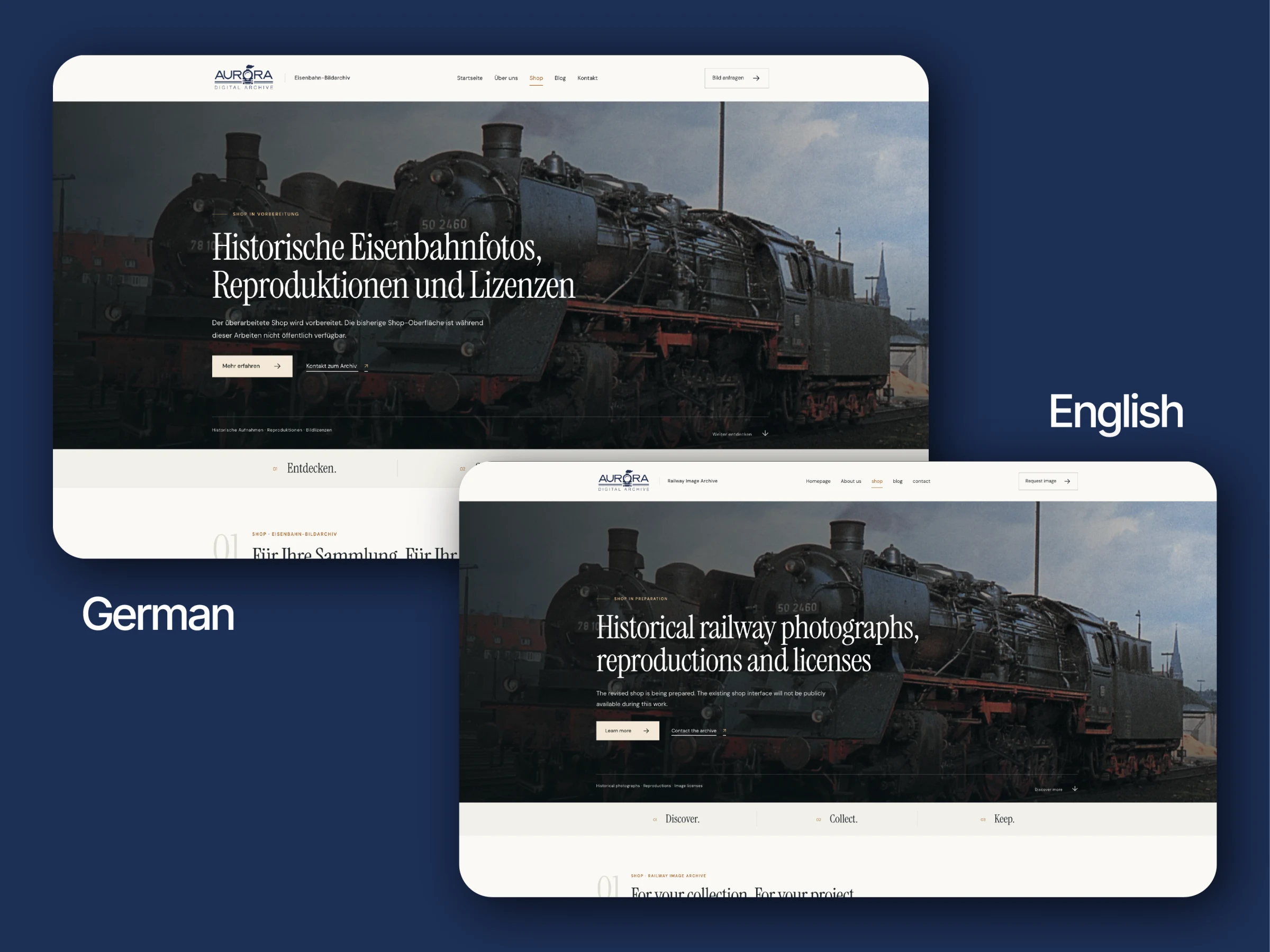
Using WPML, we developed German and English versions of the archive, making its navigation, product descriptions, and browsing experience accessible in both languages.
For a collection spanning different regions, railway systems, and historical periods, this gave German-speaking visitors a familiar experience while opening the archive to international collectors, researchers, publishers, and enthusiasts.
Supporting more than 275,000 photographs required infrastructure designed around the archive's complexity.
We developed a custom DAM workflow for large-scale cataloging and archive management, alongside an e-commerce platform built to accommodate future additions and commercial offerings.
From metadata-driven discovery to asset management and purchasing, the system was designed around the collection's needs rather than the limitations of a conventional retail catalog.
Department
Service
A searchable archive is only valuable if people can find their way to it.
Alongside the website, we incorporated multilingual SEO to help people discover Aurora's collection through Google, whether they were looking for the archive itself or an individual photograph.
The results from late May through August 2026 showed how that foundation was performing.
Aurora's audience included railway enthusiasts, historians, collectors, publishers and researchers, often searching for highly specific subjects.
We ensured that the archive's German and English website structure was supported by multilingual SEO, establishing a strong foundation for reaching these audiences through search.
Individual photographs also had dedicated product pages, meaning the archive's discoverability wasn't limited to its homepage or shop. Specific photographs could become entry points for people searching online.
By connecting the archive's detailed organization with search visibility, we made its specialized content easier for interested audiences to discover.
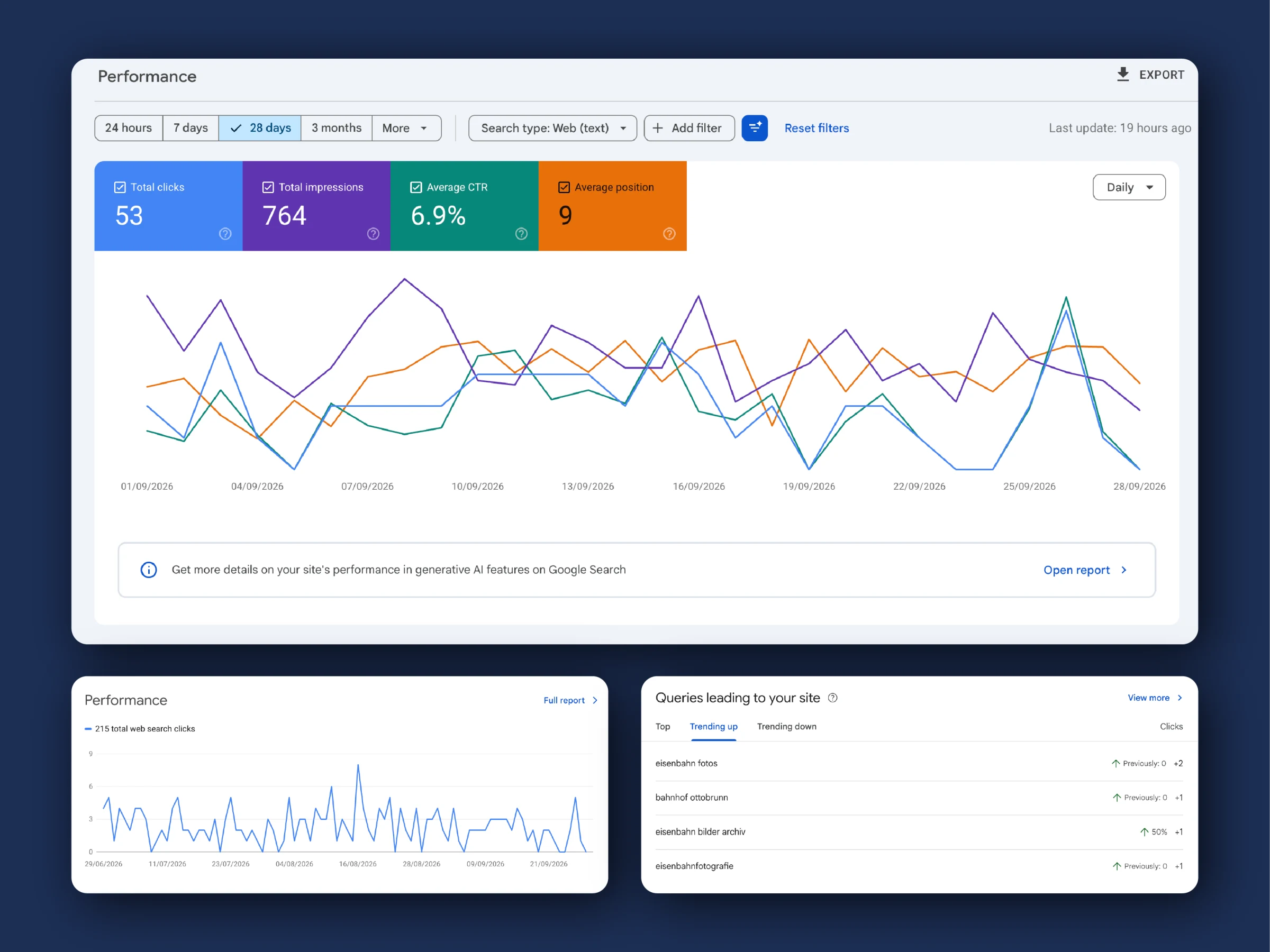
Between late May and the end of August 2026, Google Search Console recorded:
Total Impressions
Total Clicks
Average Click-Through Rate
The click-through rate was particularly interesting.
At 5.8%, nearly 6 out of every hundred search impressions resulted in a website visit. For such a specialized archive, that was an encouraging sign that people encountering Aurora in search results were interested enough to click through.
What made these results especially interesting was that there had been no new content push or major relaunch during the reporting period.
The website continued generating organic visibility and traffic, giving Aurora a foundation to build on.
Organic search traffic was increasing, and more pages were contributing.
In the latest comparison period, the website recorded:
The growth wasn't limited to the main archive page. Pages that previously had 0 clicks were now bringing in visitors, including the German-language shop and individual photograph listings like DB 03 275, which each generated 3 clicks.
For an archive built around thousands of photographs, that's a promising shift. We're seeing individual listings start to attract visitors through search, rather than relying on the main pages to do all the work.
And all of this happened without a new content campaign driving traffic.
Traffic numbers matter, but where that traffic comes from tells another part of the story.
For Eisenbahn Bildarchiv, Germany was the leading source of organic search clicks.
Department
Service
Aurora needed an identity that reflected its railway heritage while feeling at home in a modern digital archive.
We drew inspiration from railway transportation and photography to create a logo that connected the brand to the collection it preserves.
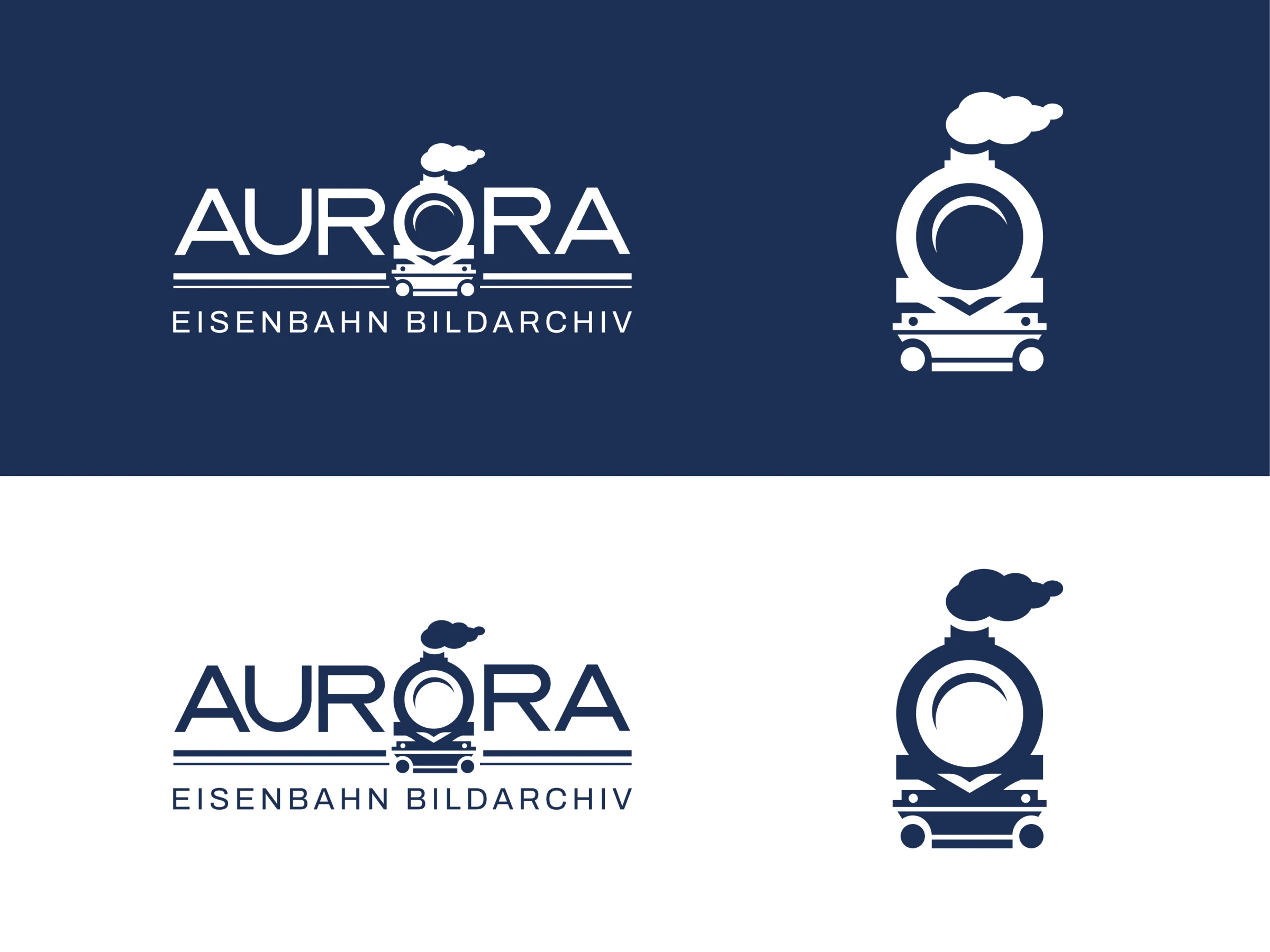
At the center of the logo is a classic steam locomotive, giving Aurora an immediate connection to railway history. But there's more to it than the locomotive itself.
Look a little closer, and the shape also draws on a camera lens, tying the subject of the archive to the photography that preserves it.
The two horizontal lines beneath the wordmark carry the idea further, resembling both railway tracks and stacked photographs.
The typefaces carried that railway connection into the rest of the identity.
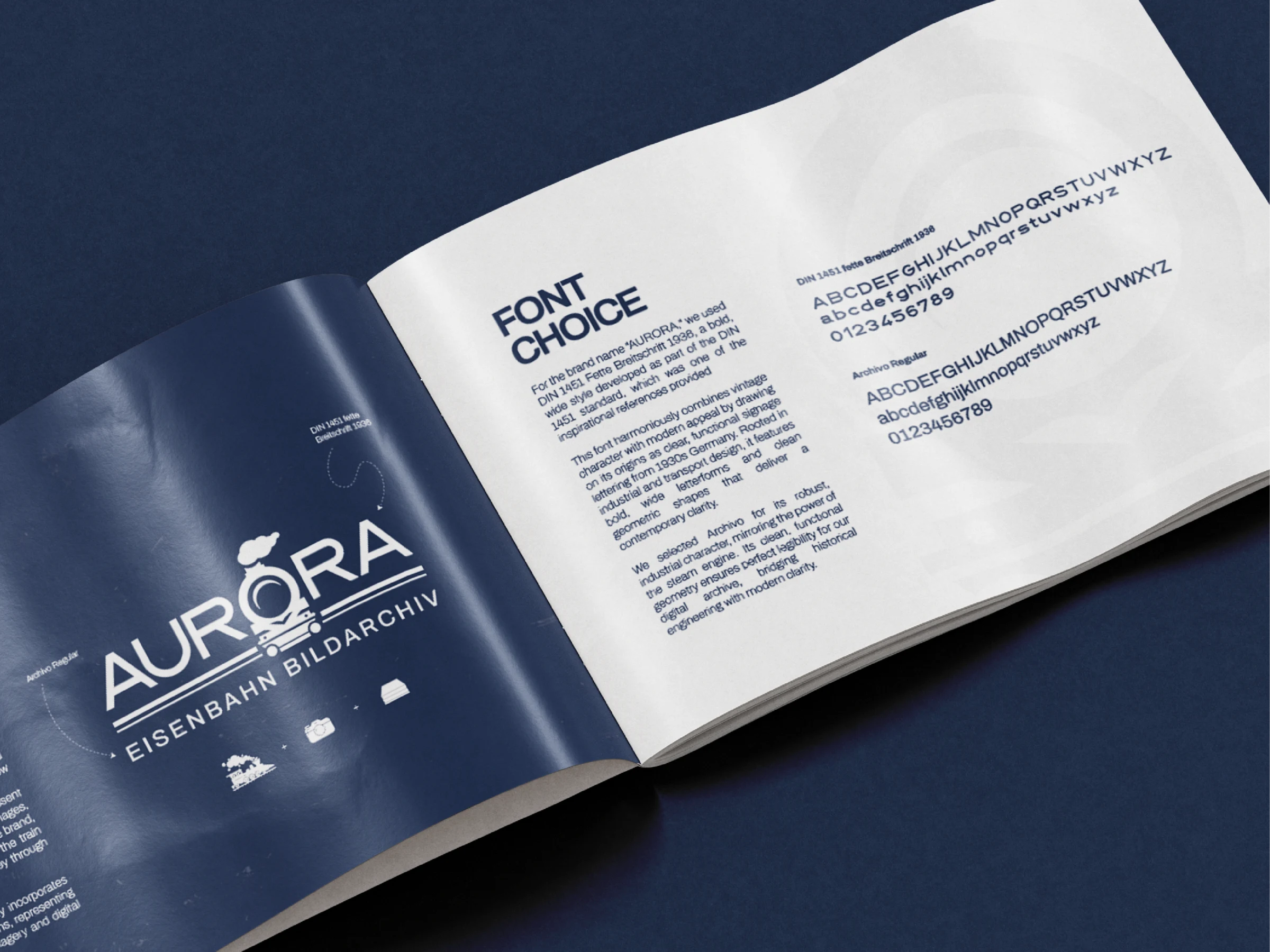
For the wordmark, we chose DIN 1451 Fette Breitschrift 1936, a typeface rooted in German industrial and transport signage. Its history made it a natural fit for the archive, while its bold, geometric letterforms gave the logo a strong, clear presence.
We paired it with Archivo, a clean, versatile typeface that balanced the industrial look and worked well across Aurora's digital platforms.
Together, the two typefaces connected the brand to its German railway heritage without making it feel stuck in the past.
Department
Service
With over 275,000 historical photographs, Aurora had no shortage of content material.
The challenge was turning that collection into stories that would interest people beyond those already familiar with the archive.
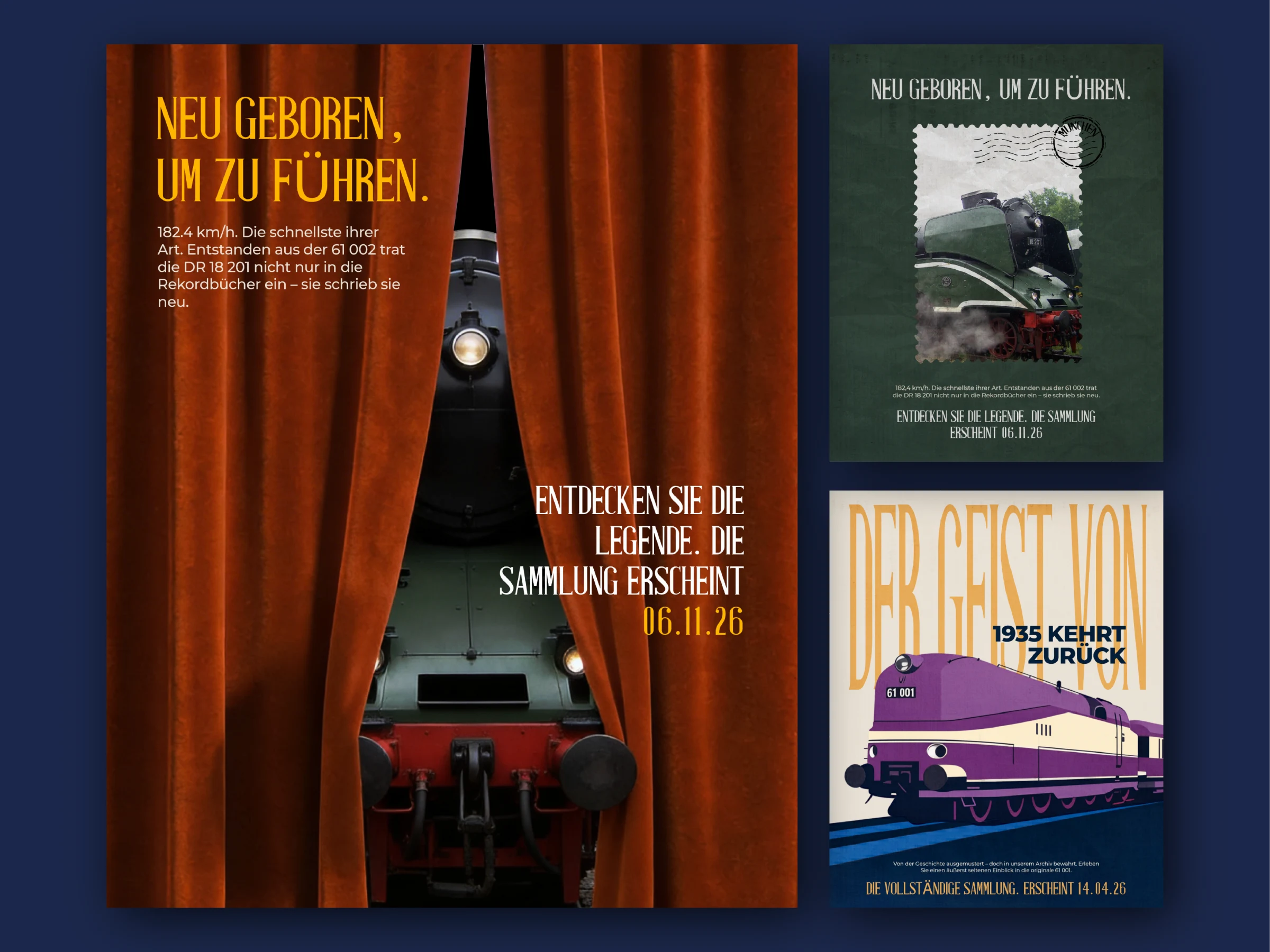
We built a social media strategy around turning Aurora's extensive archive into content that railway enthusiasts, collectors, and researchers would want to explore and share.
Rather than treating each photograph as a product to promote, we looked at how it could become a story. A locomotive image could spark interest in a particular model, an old station photograph could show how railway infrastructure has changed, and archival details could reveal the people and history behind the collection.
This gave us a creative direction that balanced historical storytelling with product discovery, making the archive more approachable while creating natural pathways back to the collection.
We translated this approach into individual social media creatives, establishing a visual style and content direction for Aurora's presence across social platforms.
With a collection as specialized as Eisenbahn Bildarchiv's, the details matter. Every locomotive, location, photographer, and historical period adds something to the story.
The project showed us how closely different parts of a digital presence can work together, from the platform's architecture and search visibility to its identity and content direction.
For us at Zephra, it reinforced the importance of building around what makes a business unique. Understanding Aurora's collection and the people who valued it shaped the decisions behind the platform, identity, and search experience.
The photographs already held the history. Our work was to make that history easier to find.